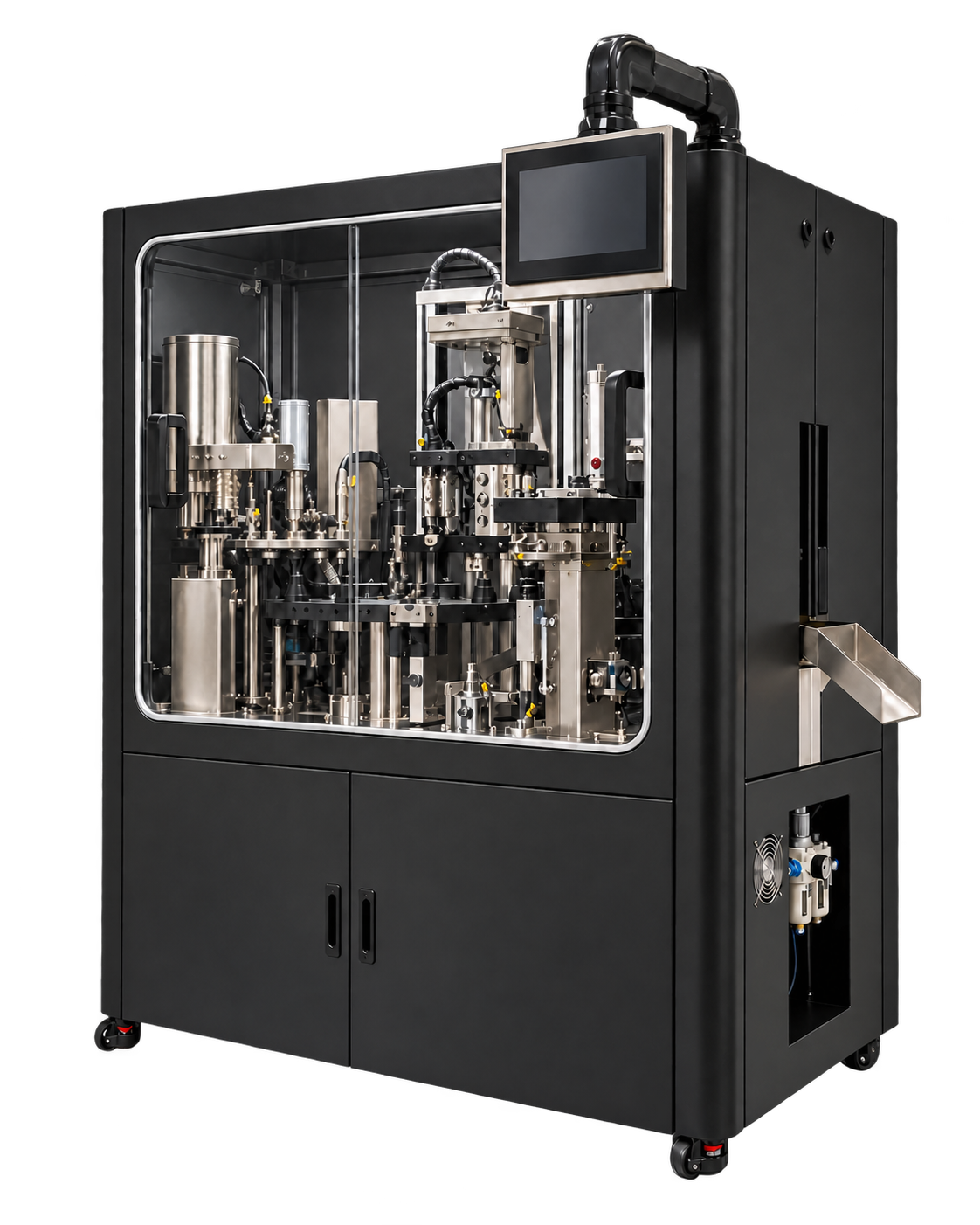
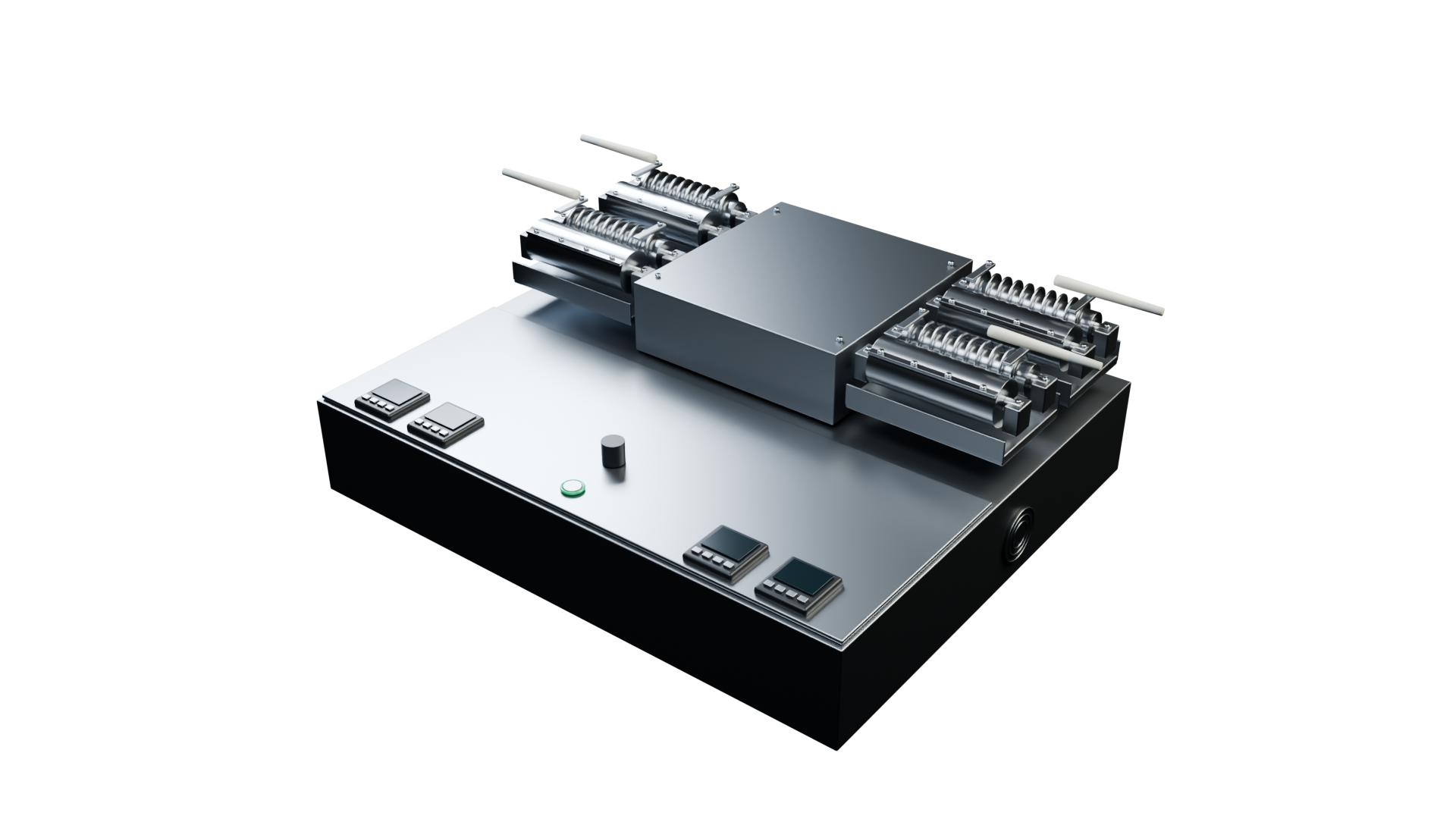
How is Nova different from the Apollo cone filler?
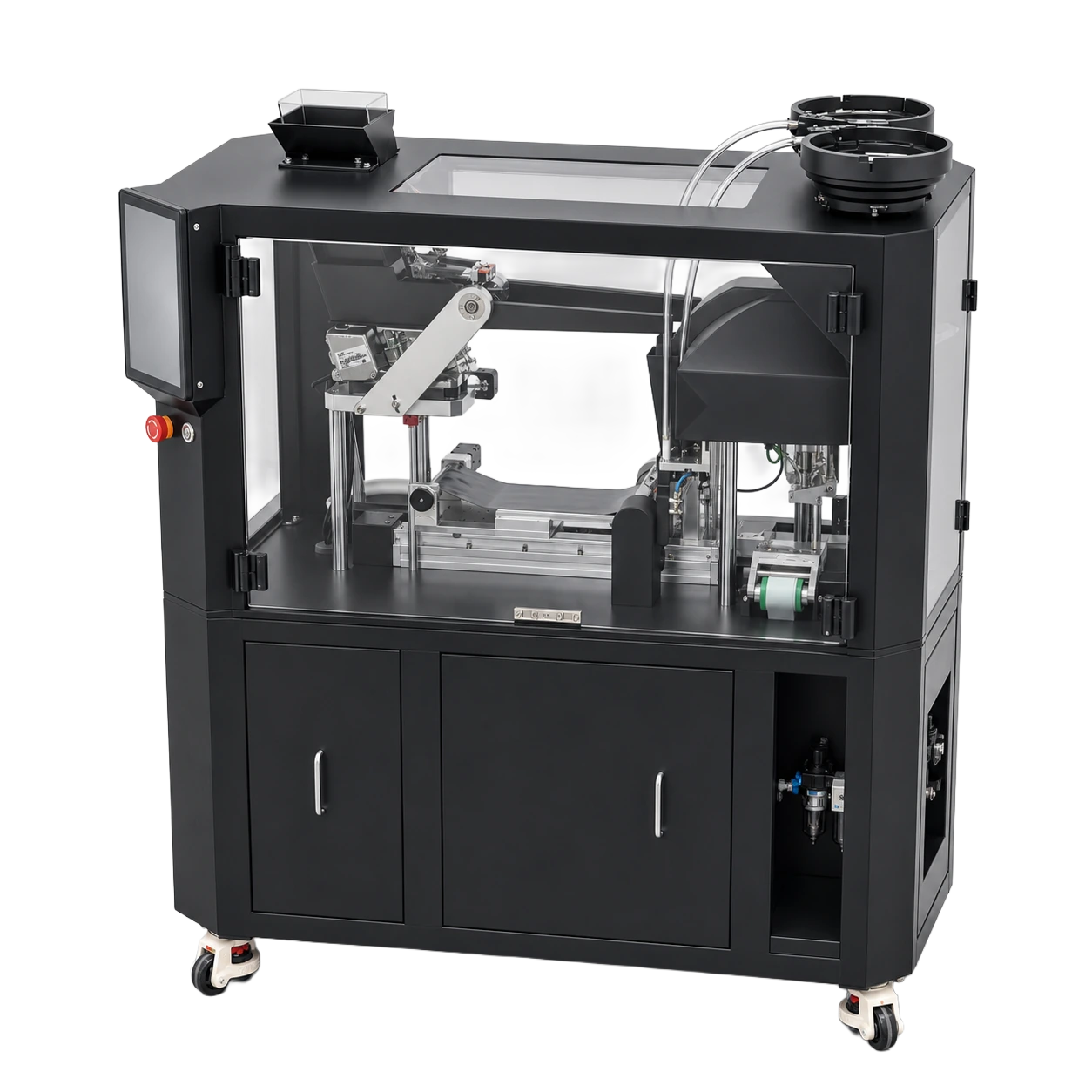
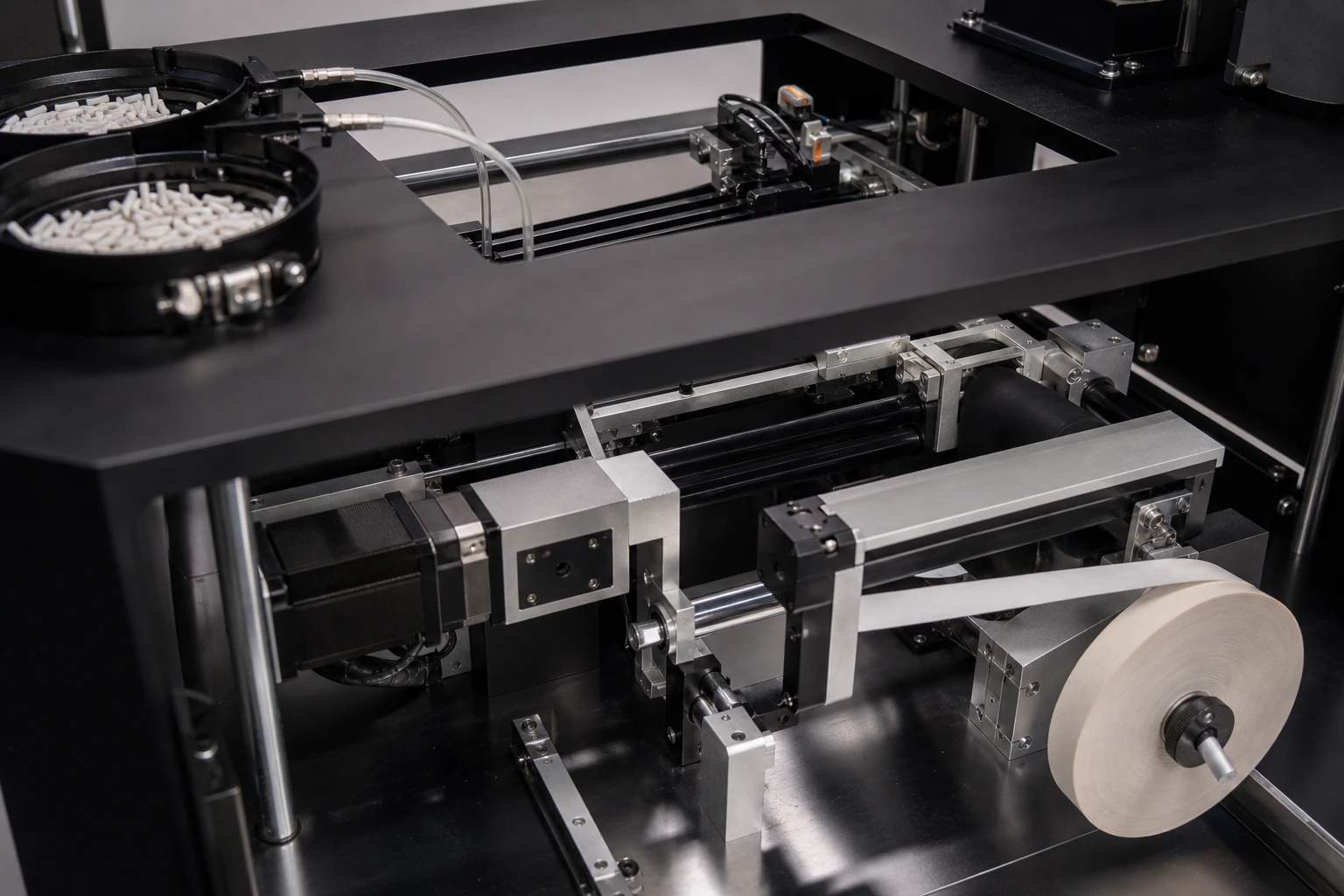
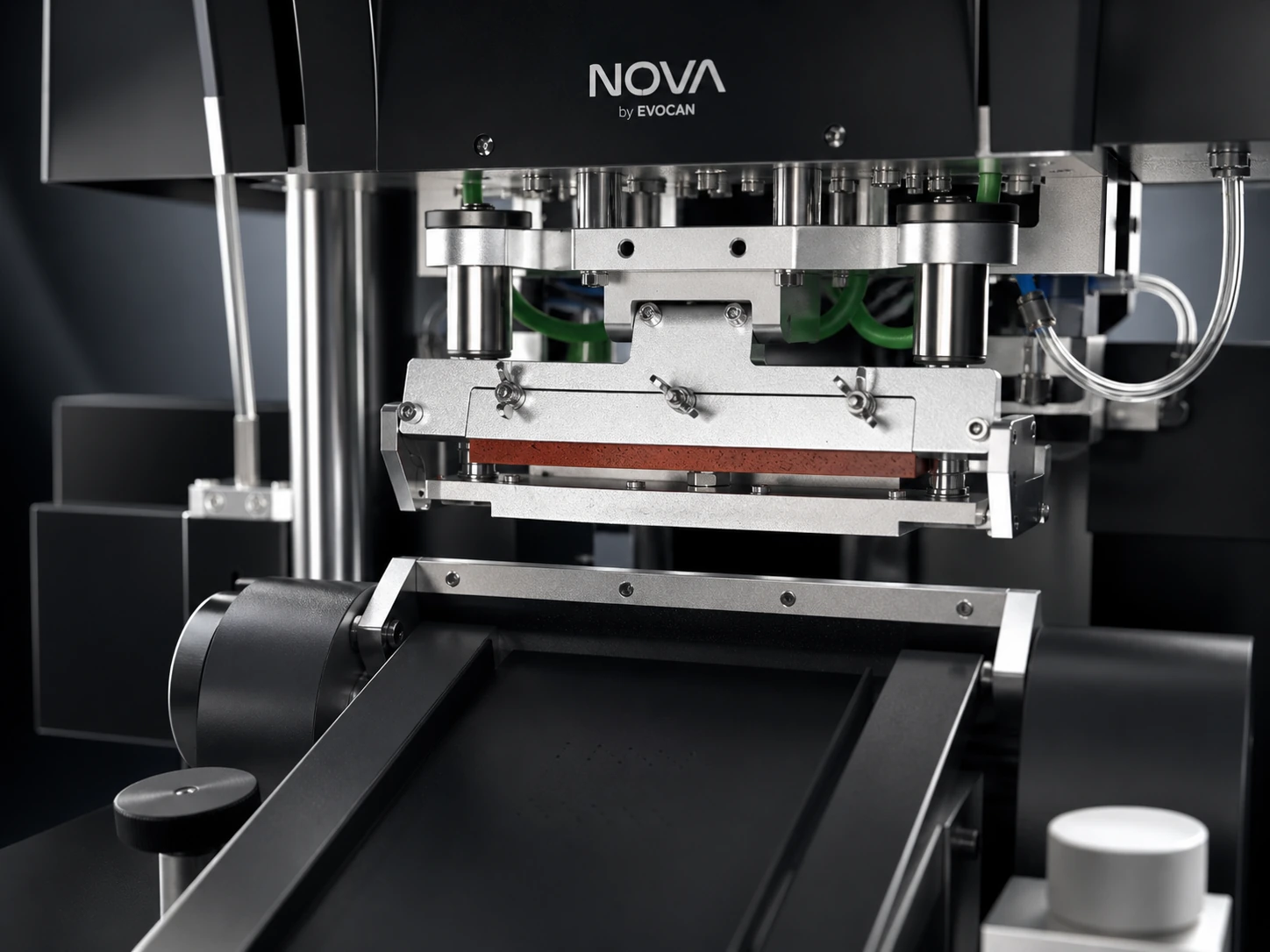
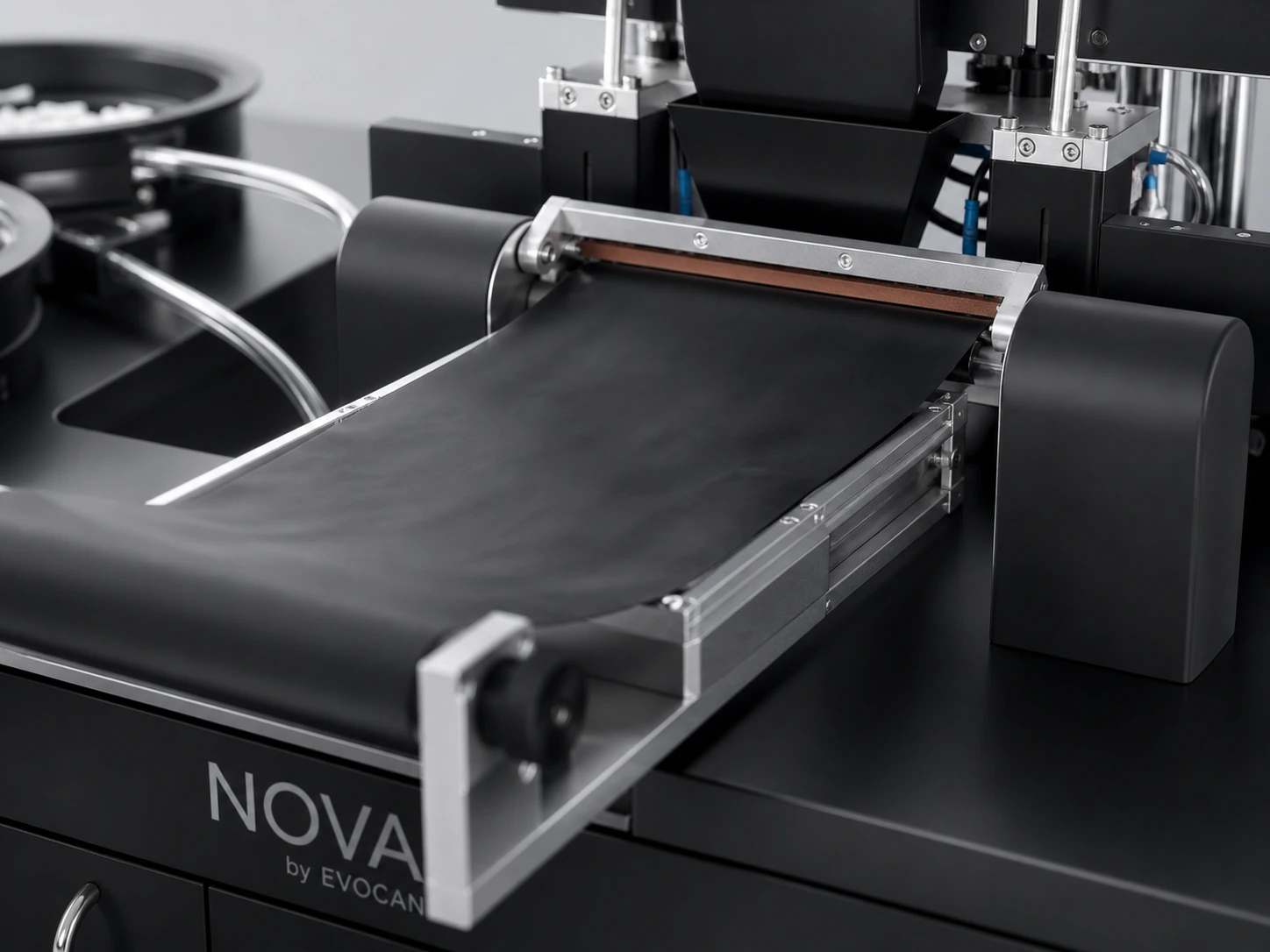
Nova wraps paper around flower for a cigarette-style pre-roll. Apollo fills pre-formed cones and compatible slightly tapered tubes. They use different consumables and production methods; evaluate the one that matches your intended product.
What flower should we bring for a trial?
Bring representative prepared flower from the material you intend to run. Review grind, moisture, particle distribution and handling with the team. Nova-specific compatibility for sticky or infused material must be confirmed; Apollo’s material limits should not be assumed to apply to Nova.
Does every format run at 750–900 pre-rolls per hour?
That is Nova’s published production range, not a guaranteed rate for every material or format. Confirm sustained output, accepted sample count, stoppages and operator tasks during a trial using your consumables and flower.
Which electrical and air connections are required?
Request the configuration-specific utility sheet before planning installation. Confirm voltage, frequency, phase, current, plug, compressed-air requirements and machine dimensions. The Apollo filler’s 110 V rating is not a Nova specification.
What should we check during cleaning and changeover?
Ask for a demonstration of material removal, product-contact access, paper and crutch replenishment, format changeover and restart. Use the machine-specific operating and cleaning instructions for the delivered configuration.
Can rolled pre-rolls go through OilCoat and KiefCoat?
The Coating Series is separate downstream equipment. Bring your finished Nova samples to evaluate grip, crutch clearance, coating coverage and transfer handling. Compatibility should be checked on your actual finished product.
What should we send with a Nova inquiry?
Share target length, fill weight, paper and crutch preferences, flower preparation and daily production goal. Include your intended packaging or exterior-coating step. The LeafyPack team will review the application and the configuration to demonstrate.